How do you decide which staff share the tips left on takeout and delivery orders?
Off premise tips come through a different door than dining room tips, and most pools were never designed for them. Here is how to fold them in without starting a fight at the host stand.
Why a dining room pool breaks the moment to-go volume shows up
Almost every tip pool formula assumes a dining room. It runs on server hours, sections, covers or sales, because those are the things a floor produces. A to-go order has none of them. There is no table, no section and no server hours attached to it, so when you drop those tips into the main pool untouched, the money flows toward whoever happened to be scheduled on the floor. Meanwhile the host who answered the phone, packed the bag and checked it against the ticket gets nothing extra, even though they did all of the work the guest was tipping for. Related: How do you set up a fair tip pool that the whole team trusts?
The volume is no longer small enough to ignore. Plenty of full service restaurants now run a meaningful stack of pickup and delivery orders on a Friday, handled by two or three people who are not in the pool at all, or are in it at a rate set for a completely different job. The real risk is that the rule gets invented on the fly at eleven at night by whoever is closing, and that improvised decision becomes precedent. Decide this in daylight, with the schedule in front of you, and write it into the tip policy before the next busy weekend. Related: What should restaurants understand about tip pooling rules before starting one?
Keep reading: How do you set up a fair tip pool that the whole team trusts?, Should you split tips by hours worked or by role-based points instead?, Why should you keep transparent tip records for every single shift?. See how TipPoolr helps you tip pooling and fair gratuity distribution.
Follow the work, not the ticket type
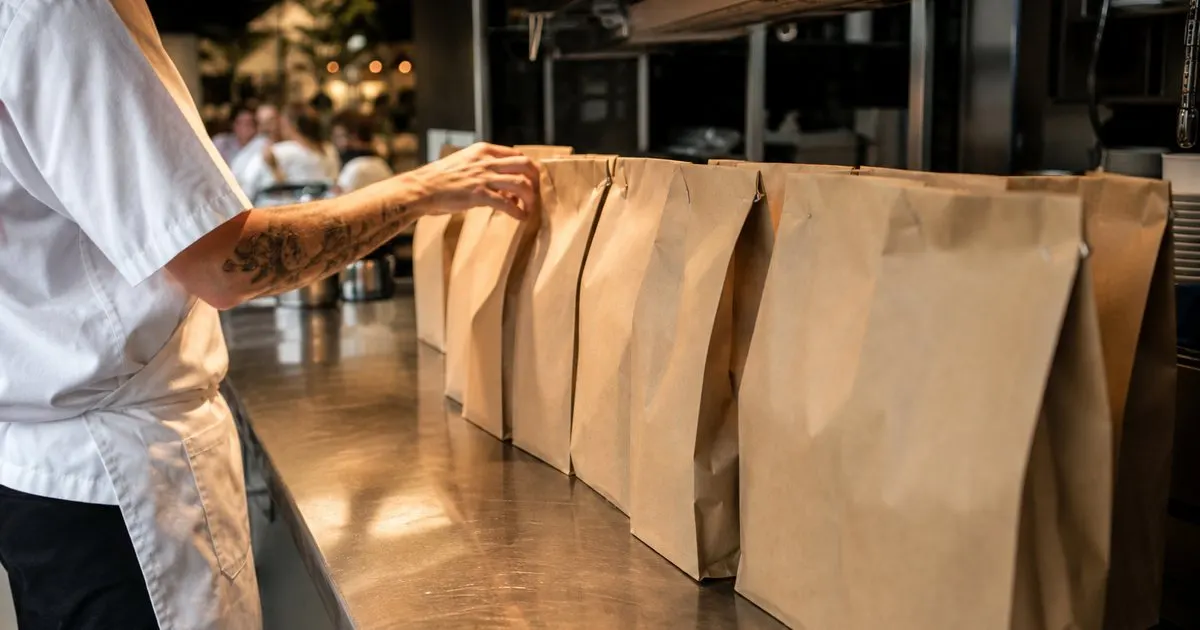
List out what a single to-go order actually costs in labor: someone answers the phone or monitors the tablet, enters or confirms the order, pulls drinks and sides, checks the contents against the ticket, seals and bags it, stages it somewhere it will not go cold, then handles the pickup and the inevitable question about the missing sauce. In most rooms that is the host stand and expo, often a bartender for beverages, and always the kitchen. Start from that list rather than from job titles, because the list is the same argument you will have to win with your team later.
Two guardrails before you promise anyone a share. Including back of house in a tip pool is allowed under federal rules only when the employer takes no tip credit and every participant is paid the full minimum cash wage directly, and some states are stricter still, so run the wage math before you say yes to the kitchen. And managers and supervisors cannot take a share of a tip pool regardless of how much of the packing they personally do on a short-staffed Tuesday. Both of these are much easier to design around at the start than to unwind after people have been paid.
Three structures that work, and what each one costs you
The first option is a separate off premise pool, where to-go tips go into their own bucket and are split among the roles that handle those orders. It is the cleanest choice when to-go volume is meaningful and servers genuinely do not touch it, and it makes the payout obvious to everyone. The second is folding the tips into the main pool while assigning points to the roles that carry the to-go work. That keeps one ledger and one close, but the split gets debatable once server hours dominate the weighting. The third is leaving the tip with whoever handled the order end to end, which only holds up at low volume with one designated person per shift. Related: Should you split tips by hours worked or by role-based points instead?
Whichever you pick, make the trigger mechanical rather than remembered. Tag the order type at the point of sale so every to-go ticket routes itself into the right bucket, instead of somebody reconstructing on Monday who grabbed which bag on Saturday. Then decide in advance what happens on the nights when the pattern breaks, because it will: the host stand is buried, a server runs three curbside orders, and now the rule you wrote does not describe what happened. A one line exception, logged at the time it occurs, prevents the whole structure from getting quietly abandoned during the first rush that tests it.
Marketplace delivery tips are a different animal
Off premise tips arrive in two very different forms, and confusing them causes real damage. A tip left inside a third party delivery marketplace for the courier is paid to that courier and never reaches your bank account, so there is nothing for you to distribute. A tip on a pickup order, a phone order or an order through your own site does reach you, and it belongs to your employees like any other tip. Staff frequently assume every missing dollar is being kept by the house. Sit down once with the deposit report and walk through the difference, because that single conversation prevents months of low grade suspicion. Related: Why should you keep transparent tip records for every single shift?
Then reconcile the part that does reach you. Pull off premise tips onto their own line on the shift record, separate from dining room card tips and cash, so the pool total is provable without anyone doing detective work. Keep the same shift level detail you keep for the floor: date, order type, gross tip, any deduction, who received a share and under which rule. If a to-go tip cannot be traced from the ticket to a specific payout, you will eventually be arguing about it with someone who is certain they were shorted, and you will have nothing to show them.
- Off premise tips belong to the people who actually handle those orders, which is usually the host stand and expo rather than the server sections.
- Tag order type at the point of sale so to-go tips route themselves, instead of being reconstructed from memory at the close.
- Including kitchen staff pulls you into the no tip credit rule and any stricter state law, so check the wage math before you promise anyone a share.
- Separate the marketplace courier tip from the tip that actually reaches your account, and explain the difference to the team once, with the report in hand.

Julien Jimenez
Julien Jimenez is an independent software builder based in Paris. He designs, ships, and operates focused SaaS products for small businesses and independent professionals. Read the full author page.
Split Tips Fairly And Keep Clean Records
Tip pooling and fair gratuity distribution. TipPoolr is built to help you put this into practice.
Start free trialMore from the TipPoolr blog

How do you set up a fair tip pool that the whole team trusts?

Should you split tips by hours worked or by role-based points instead?

Why should you keep transparent tip records for every single shift?
Get the TipPoolr playbook
Practical guides on tips and payroll support, straight to your inbox as we publish them. No spam, unsubscribe any time.